
9 products
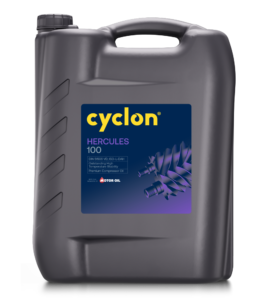 Cyclon HERCULES
100
High quality VDL compressor oils (DIN 51506) with low evaporation losses, thermal/oxidation stability, low…
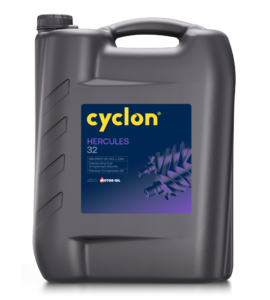 Cyclon HERCULES
32
High quality VDL compressor oils (DIN 51506) with low evaporation losses, thermal/oxidation stability, low…
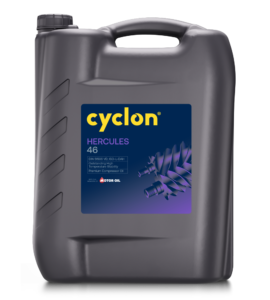 Cyclon HERCULES
46
High quality VDL compressor oils (DIN 51506) with low evaporation losses, thermal/oxidation stability, low…
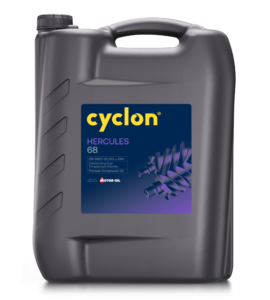 Cyclon HERCULES
68
High quality VDL compressor oils (DIN 51506) with low evaporation losses, thermal/oxidation stability, low…
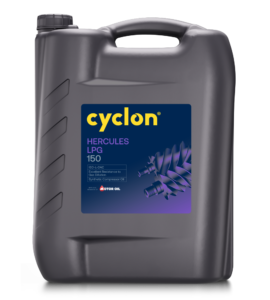 Cyclon HERCULES LP
150
Synthetic polyalkylene glycol-based compressor lubricant for enclosed reciprocating compressors operating in LNG/methane, ethane, LPG…
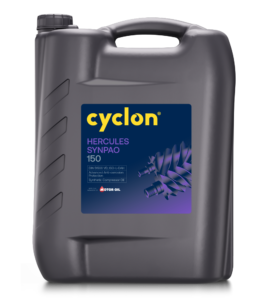 Cyclon HERCULES SYNPAO
150
Premium, synthetic compressor oils offering protection against deposits, rust, oxidation, with low evaporation and…
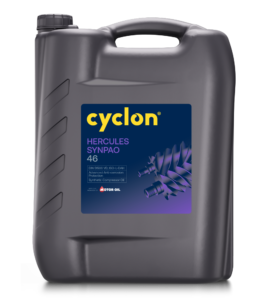 Cyclon HERCULES SYNPAO
46
Premium, synthetic compressor oils offering protection against deposits, rust, oxidation, with low evaporation and…
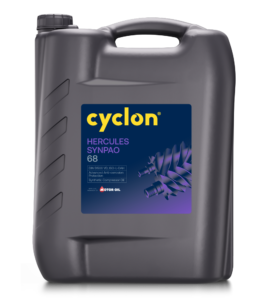 Cyclon HERCULES SYNPAO
68
Premium, synthetic compressor oils offering protection against deposits, rust, oxidation, with low evaporation and…
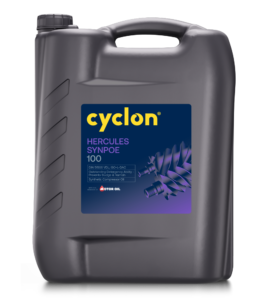 Cyclon HERCULES SYNPOE
100
Premium, reciprocating air compressor lubricant based on high performance polyolesters with advanced additives for…
This is not a refinement, it is the whole point. Hydrocarbon gases dissolve into mineral oil, and as they do the oil's viscosity collapses. A mineral oil that measures correctly in the drum can lose most of its load-carrying film once the machine is under gas pressure, and the bearings and cylinders wear rapidly. The polyalkylene glycol base of HERCULES LP resists that dilution, which is why gas duty requires it rather than a good mineral oil in a heavier grade.
In a reciprocating air compressor, an oil with poor oxidation stability or high coking tendency leaves carbon deposits in the discharge valves, ports and receiver. Those deposits insulate, heat builds, and in the presence of hot compressed air the result can be a discharge-line fire or an explosion. This is a documented failure mode in industrial compressed air systems, not a theoretical risk. Using a proper VDL-quality oil, keeping discharge temperature within specification and draining the receiver are the controls. In Iraqi ambient temperatures, where discharge temperatures run higher than the machine was rated for in Europe, this deserves more attention rather than less.
Refrigeration lubricants must be matched to the refrigerant, not just the compressor. Those products sit in the industrial range — COMET and COMET SYNPOE for HFC refrigerants, COMET SYNALB for systems evaporating below −40 °C — and should never be substituted with an air compressor oil.
Cyclon HERCULES SYNPAO, a synthetic oil available in ISO VG 46, 68 and 150, suitable for screw, rotary, vane and centrifugal compressors, with strong oxidation resistance and low residue build-up. Reciprocating piston compressors take Cyclon HERCULES, a VDL-quality oil to DIN 51506, or Cyclon HERCULES SYNPOE 100 for units running continuously at high pressure and high discharge temperature.
No, and this is not a minor distinction. Hydrocarbon gases dissolve into mineral oil and the oil's viscosity collapses, so an oil that measures correctly in the drum can lose most of its load-carrying film once the machine is under gas pressure, and bearings and cylinders wear rapidly. Cyclon HERCULES LP 150 uses a polyalkylene glycol base that resists that dilution, and is intended for enclosed reciprocating compressors handling LNG and methane, ethane, LPG, ethylene, propylene, butadiene, ammonia, vinyl chloride and dry inert gases.
In a reciprocating air compressor, an oil with poor oxidation stability or a high coking tendency leaves carbon deposits in the discharge valves, ports and receiver. Those deposits insulate, heat accumulates, and with hot compressed air present the result can be a discharge-line fire or explosion. It is a documented failure mode in industrial compressed air systems. Using a proper VDL-quality oil, keeping discharge temperature within specification and draining the receiver are the controls, and in Iraqi ambient temperatures, where discharge temperatures run higher than the machine's European rating assumed, it deserves more attention rather than less.
Not sure which product a vehicle, machine or fleet needs? Try the Cyclon oil selector, or send us the details and we will specify it in writing.