
18 products
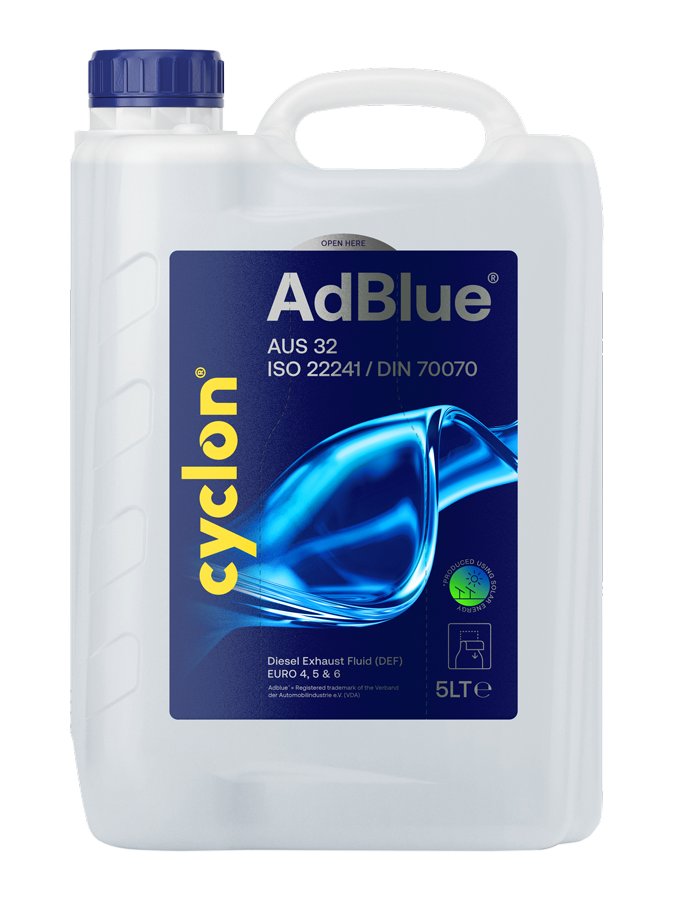 Cyclon AdBlue®
Ready-to-use diesel exhaust fluid (DEF, AUS32) with 32.5% urea in ultra-pure water (AUS32). Used…
 Cyclon AUS 40
Maritime‑grade urea mixture containing 40% high‑purity urea in purified water, formulated for vessels equipped…
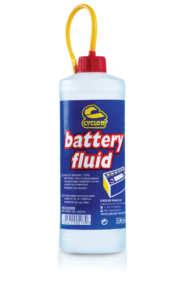 Cyclon BATTERY FLUID
Specially treated water in ion-exchange columns to remove salts and chlorine. Suitable for car…
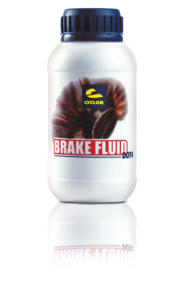 Cyclon BRAKE FLUID 4
Synthetic DOT 4 brake fluid with special additives for optimized brake performance and protection…
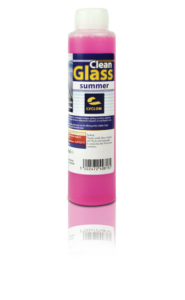 Cyclon CYCLON CLEAN GLASS SUMMER
Special windscreen cleaning fluid containing cleaning agents diluted in deionized water.
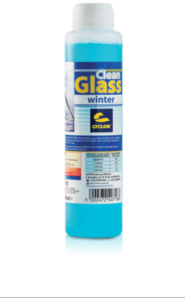 Cyclon CYCLON CLEAN GLASS WINTER
Special windscreen cleaning fluid containing cleaning agents diluted in in deionized water and ethyl…
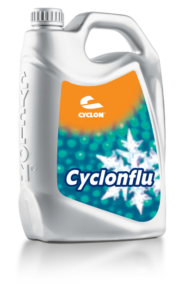 Cyclon CYCLONFLU
Ready-to-use radiator solution with de-ionized water, offering frost protection to -15°C. Suitable for all…
Cyclon CYCLONFLU HD (-40°C)
Ready-to-use ethylene glycol-based coolant for heavy-duty diesel and light-duty engines. Formulated with organic, borate,…
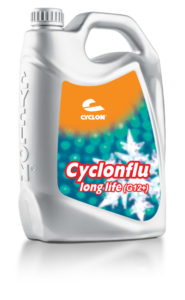 Cyclon CYCLONFLU LL (G12+)
Ready-to-use, long-life antifreeze for cooling circuits in aluminum or cast iron engines of cars,…
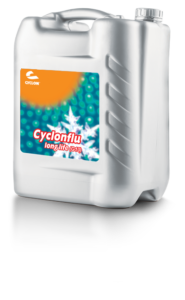 Cyclon CYCLONFLU LL G13
Ready-to-use, long-life coolant based on G13 and deionized water. Provides protection for modern aluminium…
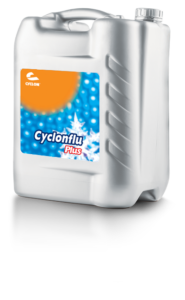 Cyclon CYCLONFLU PLUS
Ready-to-use radiator solution with de-ionized water, offering frost protection to -21°C. Suitable for all…
 Cyclon DISTILLED WATER
Specially treated water in ion-exchange columns removing salts and chlorine. Ideal for car batteries,…
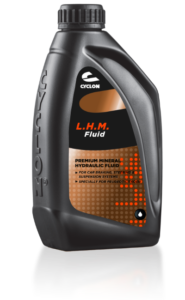 Cyclon L.H.M. FLUID
Special hydraulic fluid for Citroen and Peugeot central systems, used only in green reservoirs.…
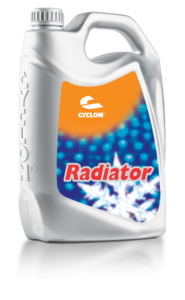
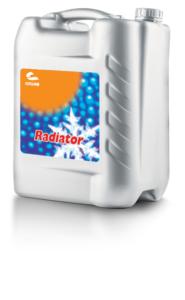 Cyclon RADIATOR
Concentrated antifreeze coolant offering winter cold and summer heat protection depending on dilution with…
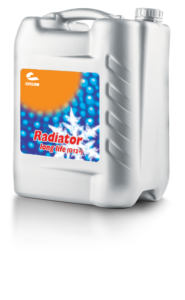
 Cyclon RADIATOR HD
Ethylene glycol-based coolant concentrate engineered for heavy-duty diesel and light-duty engines. It employs organic,…
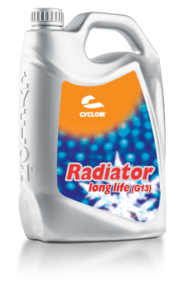
 Cyclon RADIATOR LL (G12+)
Ethylene glycol-based coolant, free from nitrites, amines, phosphates, silicates and borates. Uses OAT corrosion…
 Cyclon RADIATOR LL G13
Long-life undiluted coolant with organic and silicate mineral inhibitors, high-purity MEG and glycerin. Provides…
Cyclon RADIATOR PG SOLAR
Concentrated antifreeze based on propylene glycol and full Organic Additive Technology (OAT) /It offers…
This is the most common confusion on the shelf, and getting it wrong damages engines in both directions.
Pouring a concentrate in neat is not “extra protection”. Undiluted glycol transfers heat worse than a correct mixture does, so an engine filled with neat concentrate runs hotter than one filled properly — which in an Iraqi summer is exactly the wrong outcome.
Nobody in Basra worries about freezing, and that is precisely why coolant gets neglected here. Two of its three jobs matter more locally than frost protection ever will:
Topping up with tap water is the single most damaging habit in the market. Tap water brings scale-forming minerals and chlorides straight into an aluminium cooling system, and it dilutes whatever inhibitor is left. Use DISTILLED WATER or BATTERY FLUID, both de-ionised, for topping up and for diluting concentrates — never tap water, and never water from the workshop hose.
Heavy-duty diesel engines need more than car coolant. CYCLONFLUE HD and RADIATOR HD carry organic, borate, silicate and nitrite inhibitors specifically for cavitation erosion protection on wet cylinder liners, which a passenger car coolant does not provide.
Do not mix technologies. Conventional, G12+ organic acid and G13 coolants use different inhibitor chemistry, and mixing them can drop both out of solution and produce a gel that blocks the radiator. When changing type, flush the system.
Cyclon AdBlue® is a ready-to-use diesel exhaust fluid, 32.5% urea in ultra-pure water (AUS 32), for Euro IV, V and VI engines with SCR systems. AUS 40 is the 40% marine equivalent for vessels with SCR.
Three things matter locally:
BRAKE FLUID 4 is a synthetic DOT 4 fluid, and it is not compatible with mineral-oil-based fluids or with DOT 5 silicone. Brake fluid is hygroscopic — it absorbs water from the air, which lowers its boiling point and corrodes the system from inside. Two years is the usual replacement interval, and humid coastal conditions argue for the shorter end of it rather than the longer.
L.H.M. FLUID is a special mineral hydraulic fluid for Citroën and Peugeot central hydraulic systems using green reservoirs only — brakes, power steering, suspension and shock absorbers. It must never be used in black-reservoir LHS systems, and it is incompatible with DOT brake fluids. Mixing these destroys seals throughout the system.
Read the product name. Cyclon CYCLONFLU products are ready to use and go straight into the radiator, already mixed with de-ionised water. Cyclon RADIATOR products are concentrates that must be diluted with de-ionised water. Pouring a concentrate in neat is not extra protection: undiluted glycol transfers heat worse than a correct mixture, so the engine runs hotter than it would if filled properly, which is the opposite of what anyone wants in an Iraqi summer.
No, and it is the most damaging habit in the market. Tap water introduces scale-forming minerals and chlorides directly into an aluminium cooling system and dilutes whatever corrosion inhibitor remains. The corrosion blocks the radiator core, attacks the water pump seal and eventually reaches the head gasket. Use Cyclon DISTILLED WATER or Cyclon BATTERY FLUID, both de-ionised, for topping up and for diluting concentrates. In this climate coolant matters less for frost protection than for raising the boiling point and protecting the metal.
Shaded, cool and sealed. Urea solution degrades with sustained high temperature, so real shelf life in an Iraqi summer is considerably shorter than the label figure assumes, and a drum standing in the sun behind the workshop will not keep. It also crystallises on contact with air and is contaminated easily, so use dedicated equipment and keep containers closed. And it is injected into the exhaust, never into the fuel tank: putting AdBlue in the diesel tank means draining and flushing the fuel system.
No. Conventional coolants, G12+ organic acid coolants and G13 coolants use different inhibitor chemistry, and mixing them can cause both inhibitor packages to drop out of solution and form a gel that blocks the radiator. When changing type, flush the system first. Note also that heavy-duty diesel engines need a coolant with cavitation erosion protection for wet cylinder liners, such as Cyclon CYCLONFLUE HD or RADIATOR HD, which a passenger car coolant does not provide.
Not sure which product a vehicle, machine or fleet needs? Try the Cyclon oil selector, or send us the details and we will specify it in writing.